
How to Create an Unforgettable Panel of Speakers
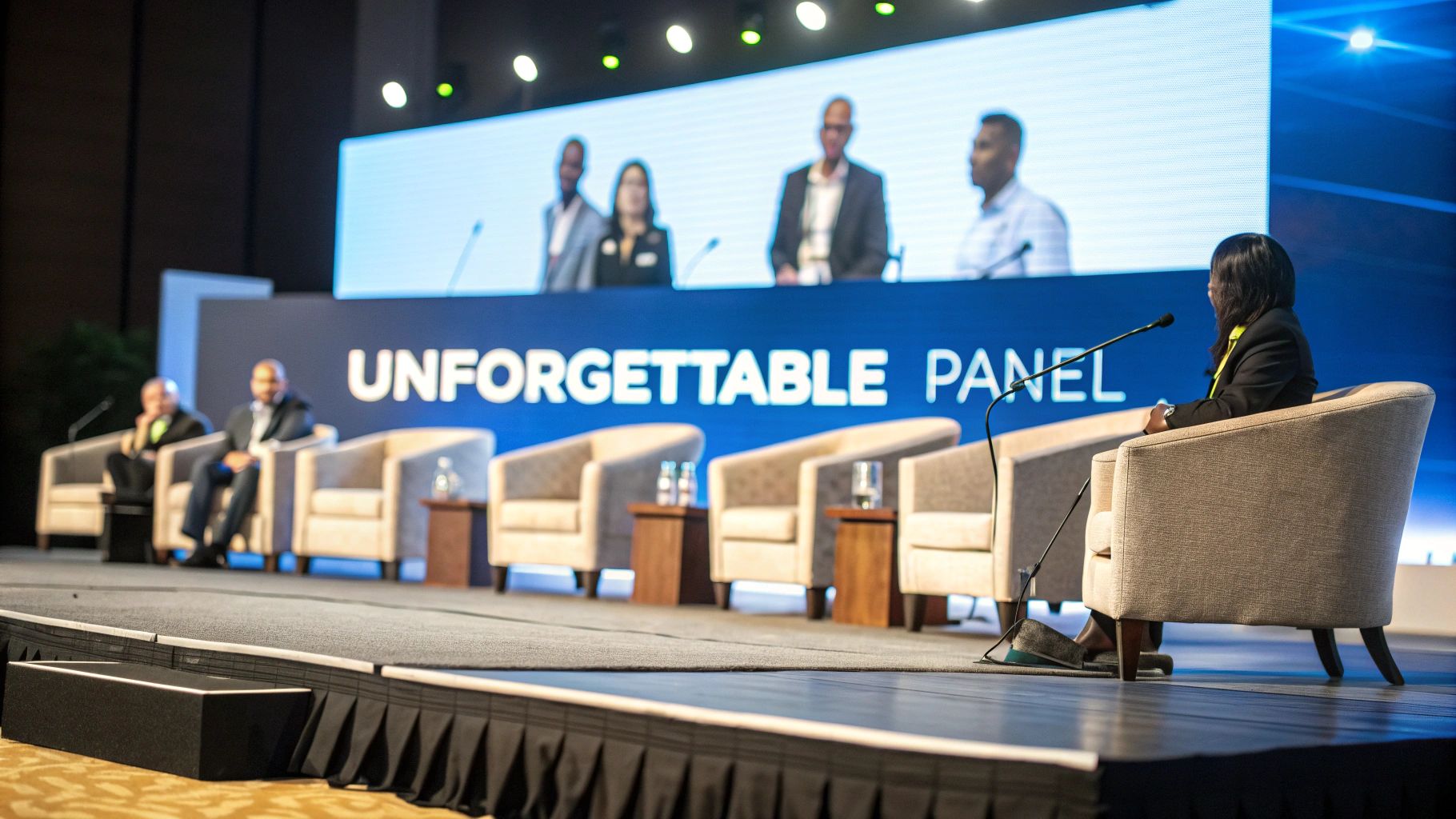
A powerful panel of speakers isn’t a happy accident—it’s an engineered experience, designed to deliver tangible insights. The magic starts long before you send invitations. It begins with a crystal-clear purpose.
This first step is your anchor. It guides every decision you'll make, from the big-picture theme down to the specific people you invite, ensuring your panel is not just a talk, but a memorable event.
Laying the Groundwork for a Powerful Panel
Before scouting for talent, answer the most important question: "Why are we doing this panel?" That answer becomes your North Star, ensuring every part of the session is perfectly aligned and packs a punch.
Without a solid "why," even a stage full of brilliant minds can end up as a rambling, disjointed conversation. To nail this foundation, it helps to first understand what is a panel and how it works. This clarity prevents your session from feeling like just another item on a packed agenda.
Your purpose then feeds directly into your objectives—the specific outcomes you want for your audience. Are you trying to demystify a complex topic? Challenge a widely-held assumption? Give attendees a practical toolkit they can use tomorrow?
Defining Your Core Purpose and Objectives
Start by brainstorming the primary goal. Is it to inspire, educate, or persuade? Once you have a general direction, drill down into specific, measurable objectives that will shape your content strategy.
For a panel on AI in healthcare, your objectives might be:
- Educate: Ensure every attendee understands the top 3 applications of AI in patient diagnostics.
- Challenge: Spark a debate on the ethics of using patient data to train machine learning models.
- Equip: Provide a practical checklist for evaluating AI vendors for their clinics.
These sharp objectives become your filter. When deciding between two potential themes or speakers, ask, "Which one gets us closer to hitting these goals?"
A panel without a defined purpose is like a ship without a rudder. It might be filled with an impressive crew, but it's unlikely to reach a meaningful destination. The 'why' is what transforms a simple discussion into a memorable and valuable experience for everyone in the room.
Turning Objectives into a Compelling Theme
With your purpose and objectives locked in, craft a theme that captures the soul of your panel. A great theme isn’t just a topic; it’s a story that ties the conversation together and makes it irresistible. You want it specific enough to stay focused but broad enough for different viewpoints to shine.
So, instead of a snooze-worthy theme like "The Future of AI," try something with more sizzle:
- "Beyond the Hype: Practical AI for Small Business Growth" This immediately promises actionable advice.
- "AI and Creativity: Augmenting the Human Artist" This speaks directly to a passionate, niche audience.
- "The Ethics of Automation: Navigating the New Rules of Work" This signals a meaty, thought-provoking discussion.
This early strategic work is non-negotiable. To see how these steps fit into the bigger picture, check out our detailed [event planning timeline template](https://speakabout.ai/blog/event-planning-timeline-template). It provides a structured roadmap to keep everything on track, ensuring your panel of speakers delivers a lasting impact.
Curating Your Dream Team of Speakers
With your theme locked in, it's time to assemble the panel. This is more art than science. You're not just booking experts; you're casting a conversation. The magic happens when you bring together a dynamic mix of voices that can spark genuine debate and deliver insights from every possible angle.
A well-balanced panel is your best defense against groupthink. Think about pairing a high-level AI strategist—someone who lives and breathes the 30,000-foot view—with a practitioner who’s deep in the trenches, wrestling with the messy reality of implementation. That contrast is what people remember.
Today, organizations are hunting for speakers with deep, niche expertise. Generalists are out; specialists in areas like AI ethics or enterprise-level adoption are in.
Building a Diverse Roster of Voices
Diversity on a panel isn't just a box-ticking exercise. It's about crafting a mosaic of thought, experience, and professional roles. You want people who will approach your theme from completely different directions.
This framework ensures that your purpose, objectives, and theme all flow directly into your speaker selection, creating a cohesive and impactful experience.
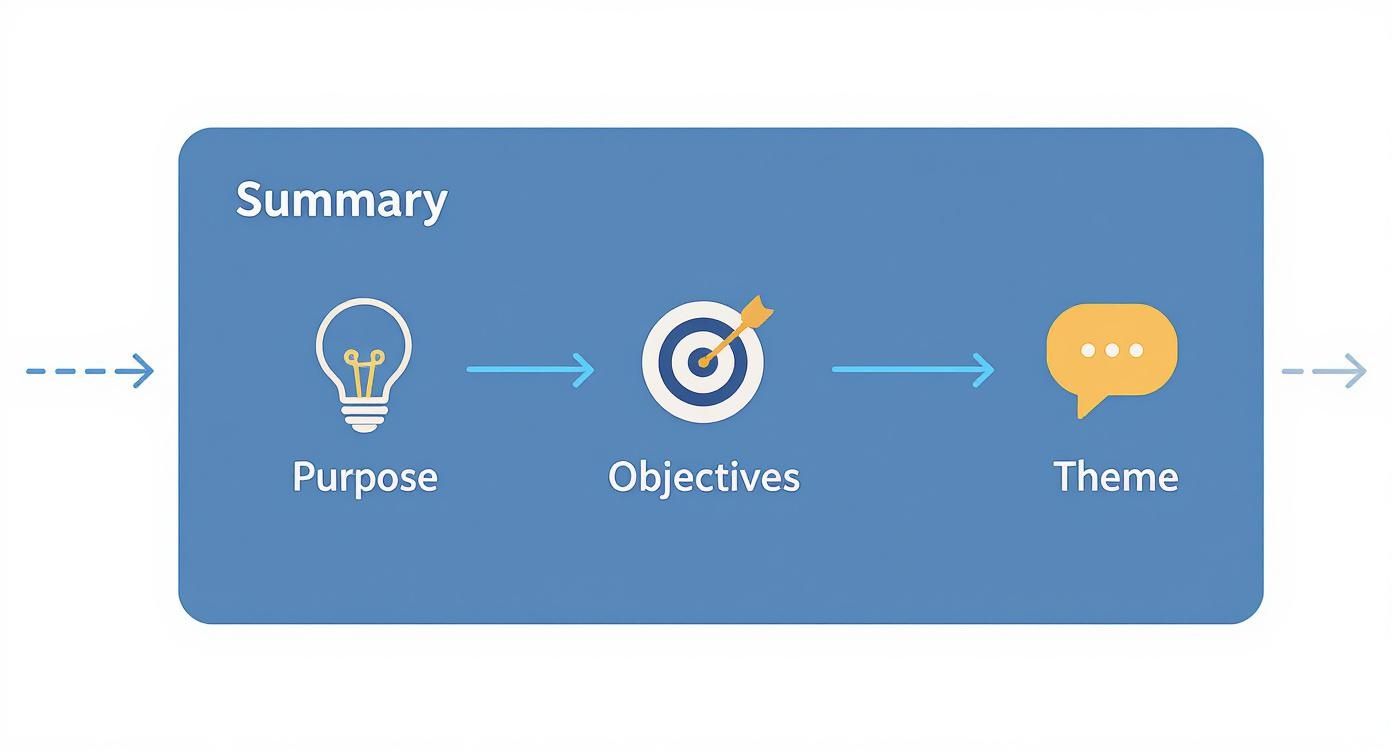
Here's a simple matrix to ensure you’re covering all the bases. It helps visualize how each speaker contributes to the whole, preventing overlap and ensuring a lively, multi-faceted discussion.
Speaker Archetype Selection Matrix
| Speaker Archetype | Primary Role | Contribution to Panel | Example Speaker Focus |
|---|---|---|---|
| The Visionary | The Futurist | Paints a compelling picture of where technology is headed and its long-term societal impact. | Dr. Rana el Kaliouby on the future of Emotion AI and human-machine interaction. |
| The Practitioner | The Realist | Grounds the conversation in the practical challenges of implementation and day-to-day operations. | Tom Gruber, co-founder of Siri, on building humanistic AI at scale. |
| The Ethicist | The Conscience | Raises critical questions about bias, privacy, and responsible innovation, ensuring a balanced discussion. | Nina Schick, a leading voice on AI-generated content and misinformation. |
| The Industry Insider | The Specialist | Speaks directly to how AI is disrupting a specific sector (e.g., healthcare, finance, or retail). | Shivon Zilis offering insights on AI's impact from a venture capital perspective. |
Speaker Archetype | Primary Role | Contribution to Panel | Example Speaker Focus
By deliberately selecting a mix of these archetypes, you ensure the conversation has both breadth and depth, moving beyond surface-level agreement to uncover real insights.
Vetting and Selecting Your Speakers
Finding potential speakers is easy. Vetting them properly is what separates a decent panel from a spectacular one. Your process needs to go way beyond just reading their bio.
A speaker's expertise is a given. But it's their ability to listen, interact, and build on others' ideas in a live setting that truly matters. A brilliant person who hogs the mic can kill a panel's energy faster than anything else.
Start by watching videos of them on other panels. Pay close attention to how they handle Q&A or respond to points made by other speakers. Do they actually listen, or are they just waiting for their turn to talk?
A brief pre-screening call is essential. This isn’t a formal interview; it’s a chat to gauge their passion for your topic and see if their energy clicks with the other personalities you're considering. It’s also the perfect chance to confirm they align with your event’s core objectives.
For a deeper look into identifying the right talent, check out our [introduction to speakers](https://speakabout.ai/blog/introduction-to-speakers) for more detailed selection criteria.
By thoughtfully balancing these speaker types and vetting each one for both expertise and collaborative spirit, you elevate your role from just filling seats to curating a truly memorable experience.
Finding the Right Moderator to Lead the Discussion
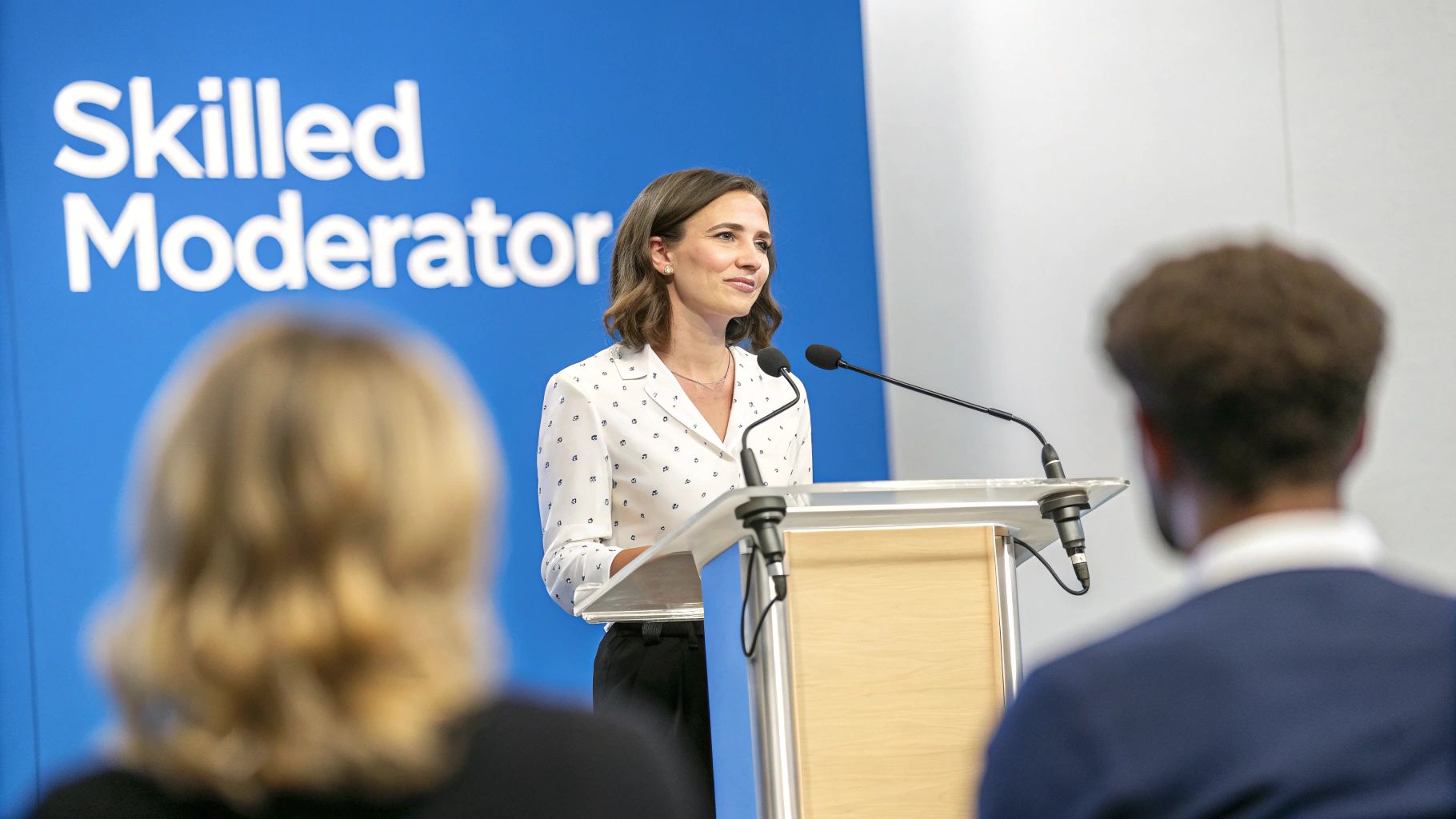
While your panel of speakers brings the technical firepower, the moderator ignites the conversation. Think of them as the conductor of an orchestra. A great moderator turns individual speeches into a cohesive, flowing dialogue. They are the secret ingredient.
Their job is more than reading intros and asking canned questions. A skilled moderator acts as the audience's advocate, setting the pace, managing energy, and steering the discussion toward your goals. They're part facilitator, part journalist, and part timekeeper.
Key Qualities of an Effective Moderator
When you start your search, look beyond just a big name. The best moderators have a very specific set of skills for managing a live conversation.
- Deep Subject Knowledge: They don’t have to be the world's leading expert, but they need to know enough to ask smart follow-up questions.
- Exceptional Facilitation Skills: This is key. A great moderator knows how to gently draw out quieter panelists and politely cut off someone who’s rambling.
- Confidence and Composure: They need the presence to command the stage and the poise to handle any curveballs.
- Audience-Focused Mindset: Their number one priority is making sure the audience gets real value.
The moderator is the true pilot of the panel. They ensure the journey is smooth, the destinations (your key objectives) are reached, and all passengers (your speakers and audience) have a valuable experience.
Don't forget to look for talent within your own orbit. A respected industry journalist can bring immediate credibility and context to the panel.
Briefing Your Moderator for Success
Once you've secured your moderator, the briefing is everything. A well-prepared moderator is an empowered one. Schedule a call at least a week before the event to walk through every detail.
This isn't about scripting the conversation—it's about building a solid foundation. This prep work allows for spontaneous magic on stage because the moderator isn't worried about logistics.
Your Moderator Briefing Checklist:
- Review Event Goals: Start with the "why." What is the single most important thing the audience should walk away with?
- Discuss Speaker Backgrounds: Run through each speaker's bio, unique angle, and where you expect them to shine.
- Craft Opening Questions: Work together to develop a sharp opening question for each panelist that plays to their strengths.
- Set Time Allocations: Talk about timing. How long should answers be? How much time for audience Q&A?
- Plan for Curveballs: Discuss how to handle common problems, like a speaker going off-topic or dominating the conversation.
This pre-event sync-up elevates the moderator from a timekeeper to a strategic partner. When you arm them with this context and a clear game plan, you're not just hoping for a good conversation—you're engineering one.
Designing a Truly Interactive Panel Experience
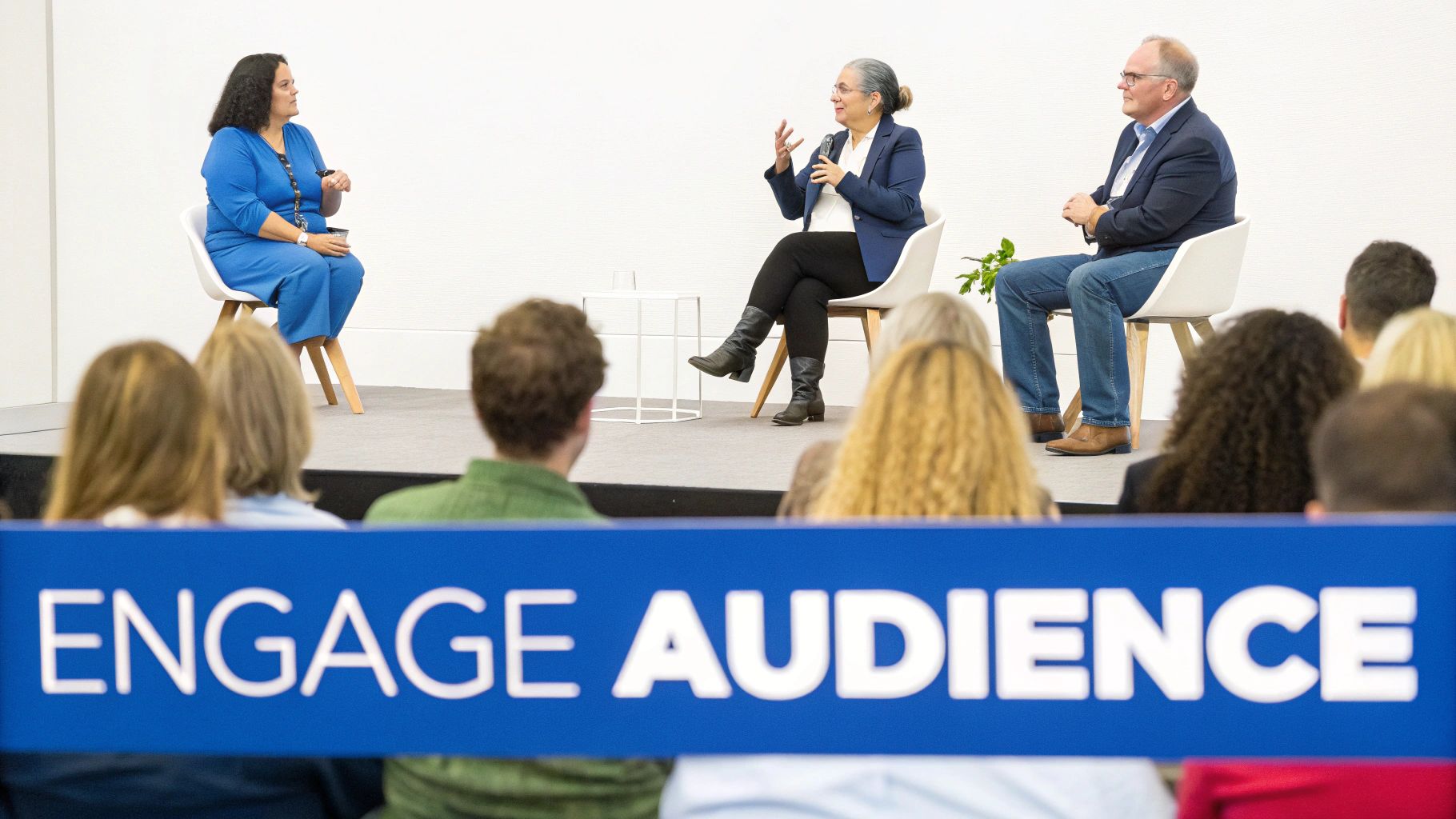
Let’s be honest: the classic panel format is broken. Three mini-speeches followed by a rushed Q&A is a recipe for a disengaged audience.
Today’s attendees expect to be part of the conversation. To create a session that sticks, you have to design an experience—something dynamic that breaks the mold. The structure you choose has a massive impact on the panel's energy and the value it delivers.
Rethinking the Panel Format
Ditch the default and explore formats built for energy and participation. Each style serves a different purpose, so pick one that helps your panel of speakers tell a compelling story.
Here are a few formats that consistently deliver:
- The Debate: Pit two opposing viewpoints against each other. For an AI panel, you could have Dennis Mortensen advocate for autonomous AI agents while an ethicist argues for a more regulated approach.
- The Problem-Solving Workshop: Instead of talking about a problem, solve one live. Present the panel with a real-world case study and have them brainstorm a solution.
- The Rapid-Fire Session: The moderator lobs quick questions, giving speakers just 60 seconds to answer. It’s a fantastic way to cover a ton of ground without losing attention.
Imagine placing a visionary like Adam Cheyer in a debate with a leading AI ethicist. That conversation will be far more memorable than if they each gave a standard presentation. Smart speaker selection and intentional format design create magic.
Integrating Technology for Real-Time Interaction
Technology is your best friend for breaking down the wall between the stage and the audience. Interactive tools can transform listeners into active participants.
Live polling apps are a great way to kick things off. Have the moderator open with a provocative question and show the real-time results on screen. This immediately grabs everyone's attention.
Dedicated Q&A platforms also work wonders. They let attendees submit and upvote questions, ensuring the most relevant topics rise to the top. For more ideas, check this guide on 10 B2B Audience Engagement Strategies for Unforgettable Events.
Structuring the Session for Maximum Impact
A great panel isn’t a random collection of questions; it has a clear narrative arc. It needs a beginning, a middle, and an end, and it’s the moderator’s job to guide the conversation through that structure.
Don't save audience interaction for the last ten minutes. Weave it in from the very beginning. An audience that feels involved early on will stay focused and invested throughout the entire session.
Start with a strong opening that frames the core conflict. The middle section should be a dynamic exploration of that theme. Finally, the closing should crystallize the key insights. The moderator can reserve the last few minutes to summarize takeaways or ask each speaker for one final, punchy thought. This ensures your audience leaves with clear, memorable points.
Handling Speaker Contracts and Logistics Like a Pro
Once you have verbal commitments, the real work begins. Meticulous planning turns a great concept into a flawlessly executed panel.
Getting the contracts, fees, and logistics right is essential for a stress-free experience for both you and your speakers.
Demystifying Speaker Agreements
Navigating speaker agreements doesn't have to be intimidating. A clear, well-written contract is your best tool for setting expectations and preventing confusion. It protects everyone involved and ensures every detail is agreed upon in writing.
Think of the contract as the official playbook for your event. It should be comprehensive but straightforward, leaving no room for ambiguity.
Key clauses to include:
- Event Details: Nail down the exact date, time, venue, and the specific topic for the panel.
- Content Rights: Be clear about who owns the recording. Can you use it for marketing?
- Travel and Accommodation: Detail precisely what you will cover, from flights to hotels.
- Cancellation Policy: Outline the terms for both sides. What happens if the event is postponed or a speaker has an emergency?
Getting these elements right from the start prevents last-minute scrambles and ensures a smooth, professional relationship.
Understanding Speaker Fees and Negotiations
Negotiating fees is a standard part of booking a professional panel of speakers. This market is booming—valued at around $2.40 billion in 2023 and projected to hit $4.24 billion by 2033, as organizations see immense value in expert insights. You can explore the full professional speaker market report for more trends.
Because of this growth, fee structures vary widely. Some top-tier speakers have set rates, while others may be flexible.
When you work with a speaker bureau like Speak About AI, we handle these negotiations for you. We leverage our relationships and market knowledge to secure the best talent for your budget, taking that entire task off your plate.
A common mistake is putting off the money conversation. Be upfront and transparent about your budget from the very first outreach. Professionals appreciate the clarity, and it saves everyone a ton of time.
If you’re managing this yourself, be ready for a discussion. For specific context, [our guide on conference speaker fees](https://speakabout.ai/blog/conference-speaker-fees) breaks down what factors influence the final cost.
Your Pre-Event Logistics Checklist
With contracts signed, your focus pivots to the on-the-ground experience. Keeping speakers happy and relaxed is all about seamless logistics. Use a checklist for each speaker to ensure nothing falls through the cracks.
Confirm These Details 1-2 Weeks Out:
- Final Travel Itinerary: Double-check flight numbers, hotel confirmations, and car service details. Send a single, consolidated itinerary.
- Tech Check Schedule: Book a quick pre-event call to test microphones, cameras, and presentation software.
- Day-Of Agenda: Provide a detailed schedule, including arrival time, green room location, and any post-event networking.
- On-Site Contact: Ensure they have the name and cell number of their dedicated point of contact on the day of the event.
Common Questions About Planning Your Panel
Even the most buttoned-up event plans have loose threads. When you're wrangling a panel of speakers, questions are guaranteed. This section tackles the most common hurdles with practical, real-world advice.
How Far in Advance Should I Book a Panel of Speakers?
Timing is everything. For top-tier speakers or major industry conferences, you need to be thinking 6 to 12 months out. This provides the runway for smooth negotiations, thorough preparation, and locking in your first-choice talent before their calendars fill up.
For a smaller, regional event, you can probably get away with a 3 to 6 month lead time. But booking early isn't just about nabbing the people you want; it's about giving yourself the space to properly brief everyone involved. A great briefing call is the secret ingredient that turns a decent panel into an unforgettable one.
How Do You Handle a Speaker Who Dominates the Conversation?
This is why a skilled moderator is worth their weight in gold. The best defense is a good offense: tackle this issue before anyone hits the stage. During the briefing call, the moderator should politely set expectations about timing and the need for every panelist to contribute.
If someone still hogs the mic, a good moderator knows how to gently intervene. A simple phrase like, "That's a fantastic point, and I'd love to get [Other Speaker]'s perspective on that," works wonders. It's a graceful way to steer the conversation back on course.
A great moderator doesn't just ask questions; they protect the conversation's balance and flow. Their ability to manage different personalities in real-time is what ensures every speaker gets a chance to shine and the audience receives a well-rounded set of insights.
Should I Pay My Panel Speakers?
It depends on the event. For corporate conferences, industry trade shows, or major virtual summits, the answer is a firm yes. Professional speakers expect to be paid for their time and expertise.
For smaller community meetups, academic gatherings, or non-profit events, you might find experts willing to speak for free or for a small honorarium, especially if the topic is a personal passion.
The key is transparency. Be crystal clear about compensation in your very first outreach. It's a simple act of respect that sets a professional tone. If you're navigating budgets, a speaker bureau can be a lifesaver; they know the market and can find incredible talent that won't break the bank.
How Can I Make a Virtual Panel More Engaging?
Engagement must be woven into the fabric of a virtual event. First, pick a platform with solid interactive tools like live polls, Q&A modules with upvoting, and a lively chat function.
A sharp moderator for a virtual panel of speakers will be a master of multitasking. They'll keep one eye on the chat, pulling incoming questions into the conversation as they arise. This makes the audience feel like active participants, not passive viewers.
Finally, don't skimp on production value. Good lighting and crisp, clear audio are non-negotiable. Nothing makes a virtual audience tune out faster than a fuzzy stream or crackling sound. A professional setup is essential for holding their attention.
At Speak About AI, we connect you with the world's leading minds in artificial intelligence to create a panel that captivates and informs. We handle the logistics so you can focus on delivering an unforgettable event. Find your perfect AI speaker today.